1. Introduction
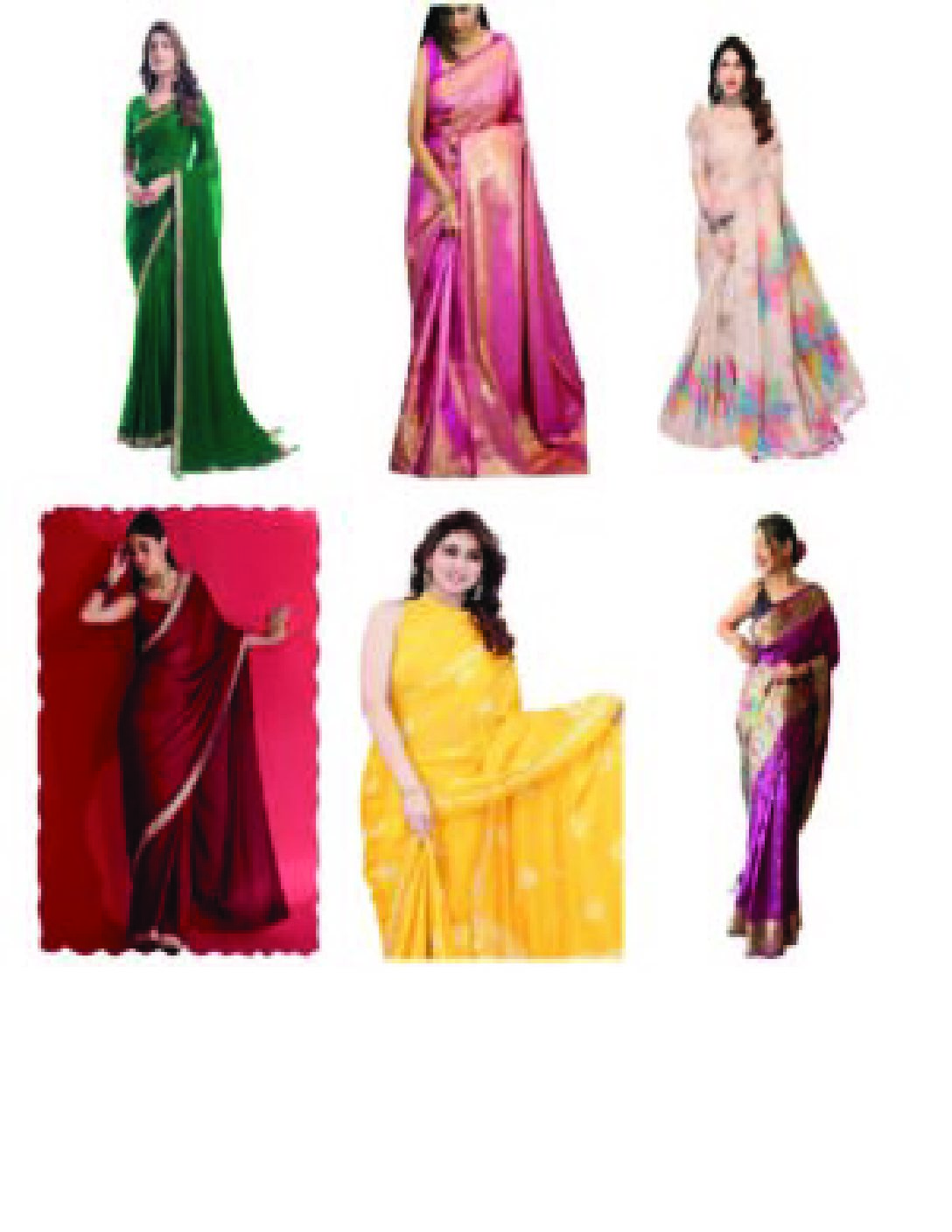
The saree is not just a piece of clothing; it is an integral part of the cultural and traditional identity of Indian women. This graceful and timeless attire has been worn by women across India for centuries, embodying the rich heritage and diversity of the country. The saree is an elegant garment that signifies beauty, grace, and femininity while celebrating India’s cultural diversity. Worn by women of all ages, from all walks of life, it transcends regional and linguistic differences, making it a unifying symbol of Indian tradition. In this article, we will explore the significance, history, regional variations, styles, and modern adaptations of the saree, and understand why it remains an enduring and beloved piece of clothing in India.
2. Historical Background of the Saree for women
The saree has a history that spans thousands of years, with evidence of its existence dating back to the Indus Valley Civilization (around 3000 BCE). Ancient sculptures and artwork, such as those found in the ruins of Mohenjo-daro and Harappa, depict women wearing draped garments resembling the saree. Over the centuries, the saree has undergone many changes, adapting to regional and cultural influences, yet its basic form has remained unchanged.
The word “saree” is derived from the Sanskrit word “sati,” meaning “strip of cloth.” It is traditionally a long piece of unstitched cloth, usually around six to nine yards in length, that is draped around the body. Initially, sarees were woven from natural fibers like cotton, silk, and linen. Over time, with the influence of trade and globalization, materials like chiffon, georgette, and velvet also became popular for sarees, offering new textures and patterns.
Throughout India’s history, the saree evolved in parallel with changing fashion trends, regional influences, and socio-cultural shifts. The Mughal period (16th to 19th centuries) is often seen as one of the most influential in the development of saree fashion. Mughal queens and princesses popularized the use of rich fabrics such as silk, brocade, and velvet, which were intricately embroidered with gold and silver threads. These luxurious sarees became a symbol of wealth and status.
The British colonial period had a significant impact on Indian clothing, and Western fashion introduced new styles. However, despite these foreign influences, the saree remained a symbol of Indian heritage and continued to be worn by women across the country.
3. The Structure of the Saree for women
The saree is typically a single piece of cloth, with no stitching or fastenings. It is draped around the body in various ways, depending on the region, occasion, and the wearer’s personal preference. The saree consists of three main parts:
- The Saree (Cloth): The length of the saree typically varies between six and nine yards, with different regional variations. The cloth is usually made from a variety of fabrics, including cotton, silk, chiffon, georgette, and velvet. The choice of fabric depends on the occasion, season, and personal preference.
- The Blouse (Choli): The blouse, also called a choli, is an essential part of the saree. It is a fitted garment worn on the upper body, typically with short sleeves and a low neckline. Blouses are made from the same fabric as the saree and can be designed with various necklines, sleeve styles, and embellishments. Blouses are often tailored to fit the wearer’s body shape and provide comfort while wearing the saree.
- The Pallu: The pallu is the end portion of the saree that is draped over the shoulder or across the chest. It is the most ornate part of the saree, often featuring intricate embroidery, prints, or embellishments. The pallu can be worn in various styles, such as pleated, draped over the shoulder, or casually thrown across the arm. It is often the highlight of the saree and adds to its beauty and elegance.
4. Regional Variations of the Saree for women
India is a land of diverse cultures, and this diversity is reflected in the various styles of sarees worn in different regions. While the basic structure of the saree remains the same, the way it is draped, the fabric used, and the design elements vary significantly across regions. Here are some of the most popular regional variations of the saree:
1. Kanjeevaram Saree (Tamil Nadu)
The Kanjeevaram saree, originating from Tamil Nadu, is one of the most famous and luxurious types of saree in India. These sarees are woven with silk threads and are known for their rich colors, intricate designs, and heavy borders. They are often worn by brides and during special ceremonies. The designs of Kanjeevaram sarees are inspired by nature, temples, and traditional motifs, and they are made using a unique weaving technique that results in vibrant colors and durability.
2. Banarasi Saree (Uttar Pradesh)
The Banarasi saree is one of the most iconic sarees from India, hailing from Varanasi (formerly known as Banaras) in Uttar Pradesh. These sarees are made from luxurious silk fabric and are renowned for their intricate zari work (gold and silver thread work), which creates beautiful patterns. Banarasi sarees are often worn by brides, especially for weddings, due to their regal and opulent appearance.
3. Mysore Silk Saree (Karnataka)
Mysore silk sarees are famous for their smooth texture and vibrant colors. These sarees are made from high-quality silk and are known for their elegant designs. They are often adorned with gold borders and motifs, making them a popular choice for weddings and festive occasions. Mysore silk sarees are lighter than Kanjeevaram sarees, making them more comfortable to wear for longer durations.
4. Patola Saree (Gujarat)
The Patola saree is a traditional saree from Gujarat, known for its vibrant colors and double ikat weaving technique. The Patola sarees are often made with silk threads and feature geometric patterns and bold colors. They are labor-intensive to create, making them one of the most expensive and coveted sarees in India. Patola sarees are often worn during weddings and special occasions in Gujarat.
5. Chanderi Saree (Madhya Pradesh)
Chanderi sarees are light and airy sarees made from silk, cotton, and zari. They are known for their sheer texture, elegance, and intricate motifs. Chanderi sarees often feature traditional patterns like peacocks, temples, and floral designs. They are a popular choice for both casual and formal occasions and are especially favored during the summer months due to their lightweight fabric.
6. Bomkai Saree (Odisha)
The Bomkai saree, also known as Sonepuri or Bandha, is a traditional saree from Odisha. It is characterized by its intricate ikat work and distinctive motifs. The sarees are made using a special technique of resist dyeing, and the pallu and border often feature traditional Odisha motifs like elephants, birds, and floral patterns. Bomkai sarees are worn on special occasions, and the elaborate designs make them a popular choice for weddings and religious ceremonies.
7. Lehenga Saree (Rajasthan)
Rajasthan is known for its vibrant colors and elaborate craftsmanship, and this is reflected in its traditional lehenga sarees. These sarees feature a lehenga (skirt) attached to the saree, making them a hybrid garment. Lehenga sarees are heavily embroidered with mirror work, zari, and other embellishments, making them perfect for weddings and festive celebrations.
5. Saree Draping Styles
There is no one-size-fits-all way to drape a saree, as the style of draping can vary based on region, occasion, and individual preference. Here are some of the most popular draping styles:
1. Nivi Style (Traditional Draping)
The Nivi style of draping is the most commonly seen draping style, originating from Andhra Pradesh. The saree is draped in a way that the pallu is thrown over the left shoulder, with pleats in the front. This style is elegant, versatile, and can be worn for both casual and formal occasions.
2. Bengali Style
The Bengali style of draping involves pleating the saree in the front and wrapping the pallu around the body to be thrown over the left shoulder. The pallu is often tucked in at the back, and the saree is worn with a belt or waistband. This style is especially popular during festivals and weddings in Bengal.
3. Gujarati Style
The Gujarati style of draping involves pleating the saree in the front and tucking the pallu in a way that it is draped across the front, over the shoulder, and then wrapped around the waist. The pallu is then brought over the left shoulder and pinned neatly. This style is often seen in traditional Gujarati weddings.
4. Maharashtrian Style
The Maharashtrian style of draping involves wearing the saree with the pallu draped in a way that it covers the back and is tucked in the front. The pallu is also wrapped around the body and draped over the shoulder. This style is commonly worn with a traditional blouse and is often seen in Maharashtra during festivals like Gudi Padwa.
Top Popular Brands Saree companies in the India
01.Sabyasachi
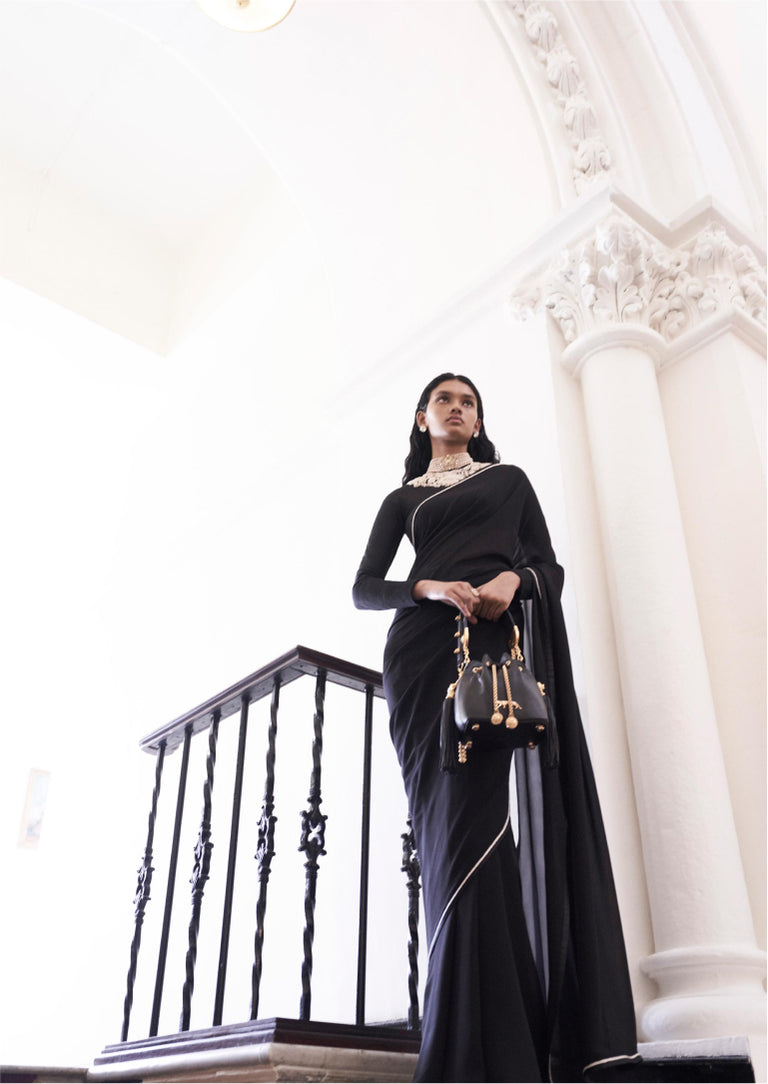
- Description: Famous for luxurious bridal sarees and intricate embroidery, Sabyasachi is a globally recognized name in Indian fashion.
- Website: https://www.sabyasachi.com
02. Manish Malhotra
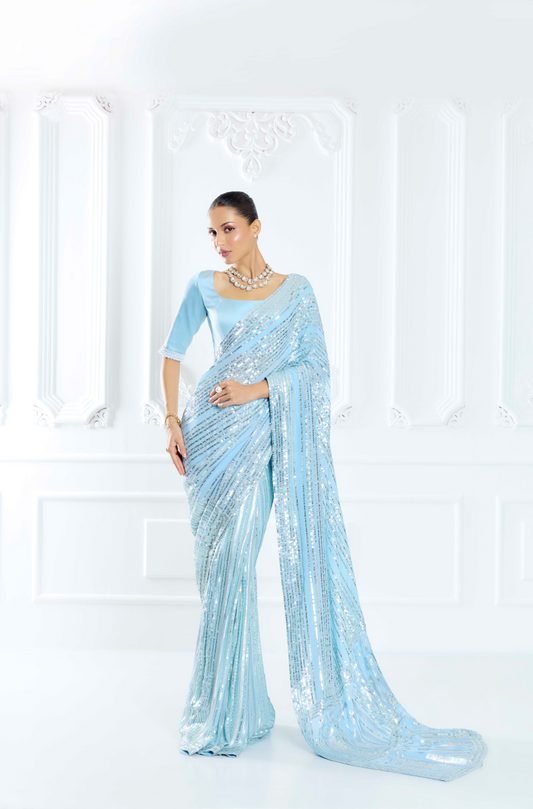
- Description: Known for opulent sarees with contemporary twists, Manish Malhotra designs are a favorite for weddings and festive occasions.
- Website: https://www.manishmalhotra.in
03. Fabindia
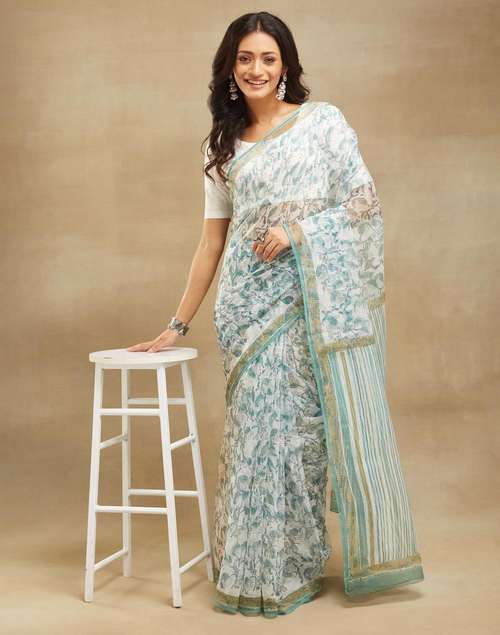

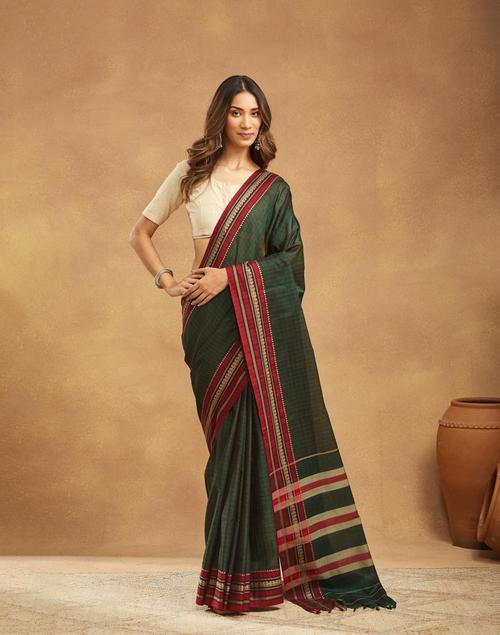
- Description: A go-to brand for traditional handwoven sarees, Fabindia showcases earthy and organic designs, popular for daily wear and casual events.
- Website: https://www.fabindia.com
04. BharatSthali
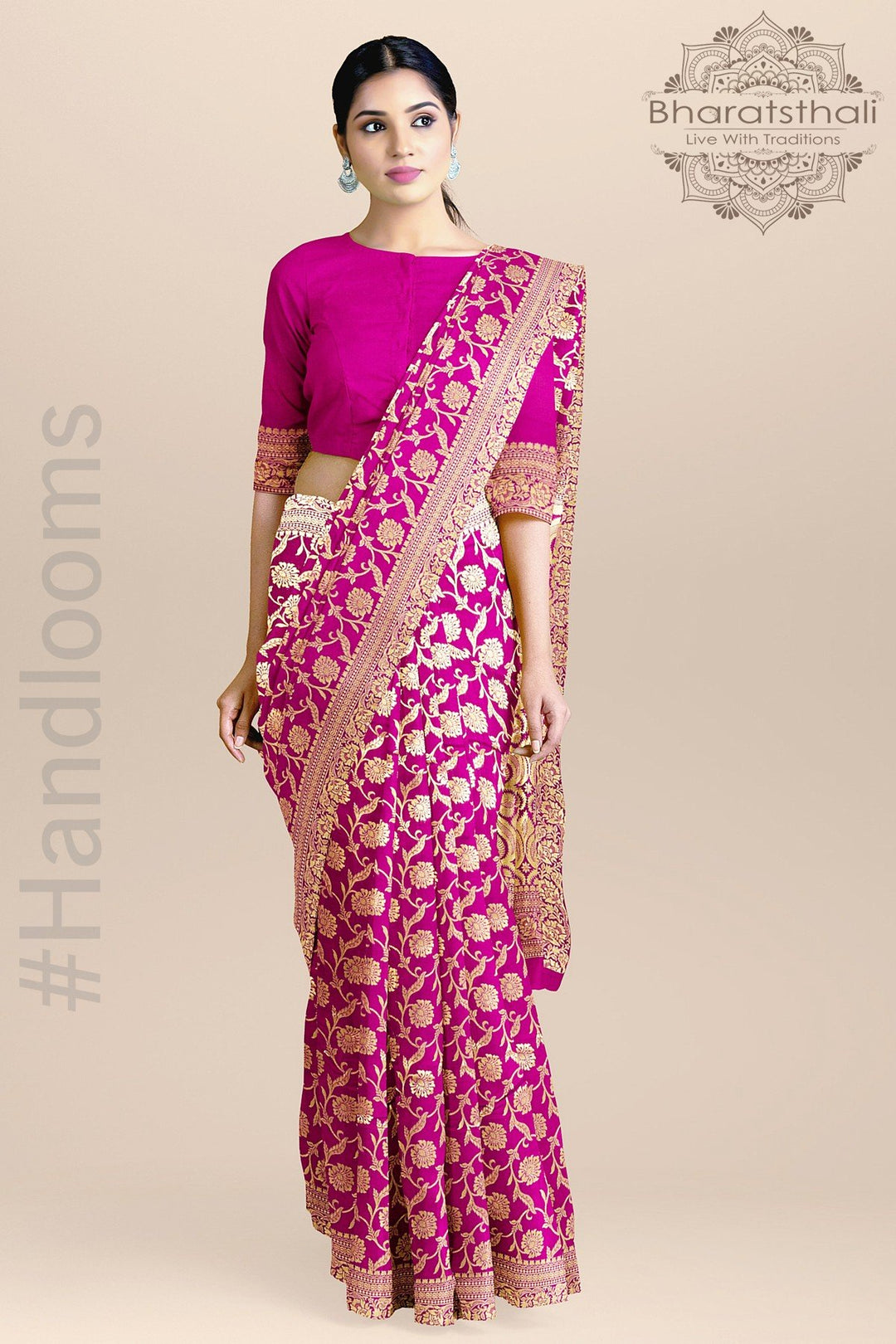
- Description: Specializes in handcrafted, traditional sarees from different parts of India, offering a wide range of silks, cottons, and georgettes.
- Website: https://www.bharatsthali.com
05. Nalli
- Open image in full screen

- Description: Renowned for its wide range of silk sarees, Nalli has a legacy of over 90 years, making it a trusted name in the saree industry.
- Website: https://www.nalli.com
06. Kancheepuram Varamahalakshmi Silks
- Description: Famous for its premium Kanchipuram silk sarees, this brand offers exquisite traditional sarees with rich, vibrant designs.
- Website: https://www.kancheepuramvaramahalakshmisilks.com
07. Raw Mango
- Description: This brand blends traditional handwoven techniques with contemporary aesthetics to create stylish and minimalist sarees.
- Website: https://www.rawmango.com
08. Chennai Silks

- Description: A popular name for Kanchipuram silks, Chennai Silks offers a vast collection of sarees in various fabrics and styles for all occasions.
- Website: https://www.chennaisilks.com
09. Ritu Kumar
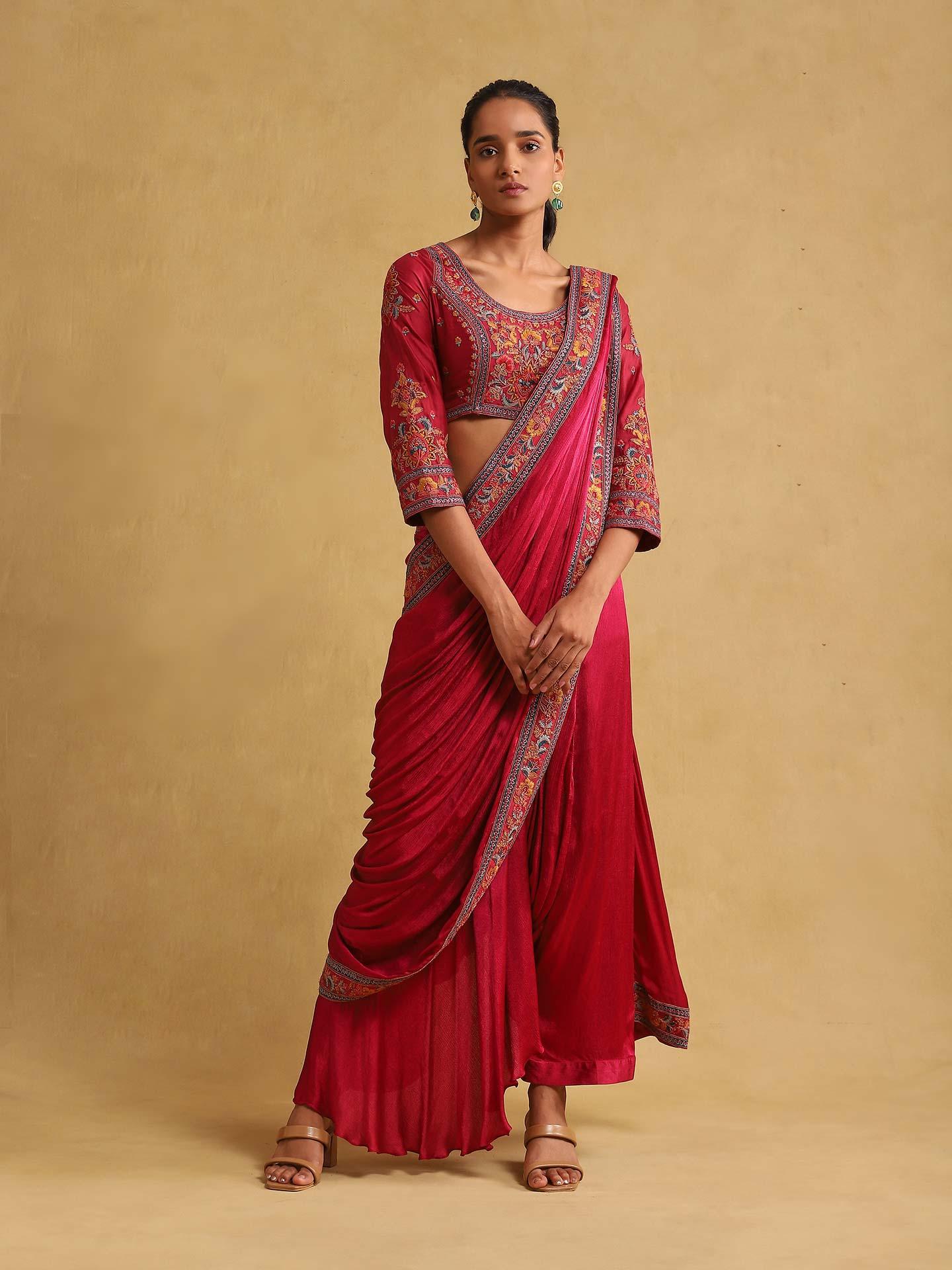
- Description: Known for luxurious sarees with a blend of traditional and modern designs, Ritu Kumar offers rich embroidery and detailing.
- Website: https://www.ritukumar.com
10. Saree.com
- Description: This online retailer specializes in sarees from all over India, offering a wide variety of traditional, bridal, and contemporary styles.
- Website: https://www.saree.com
11. Lajwanti
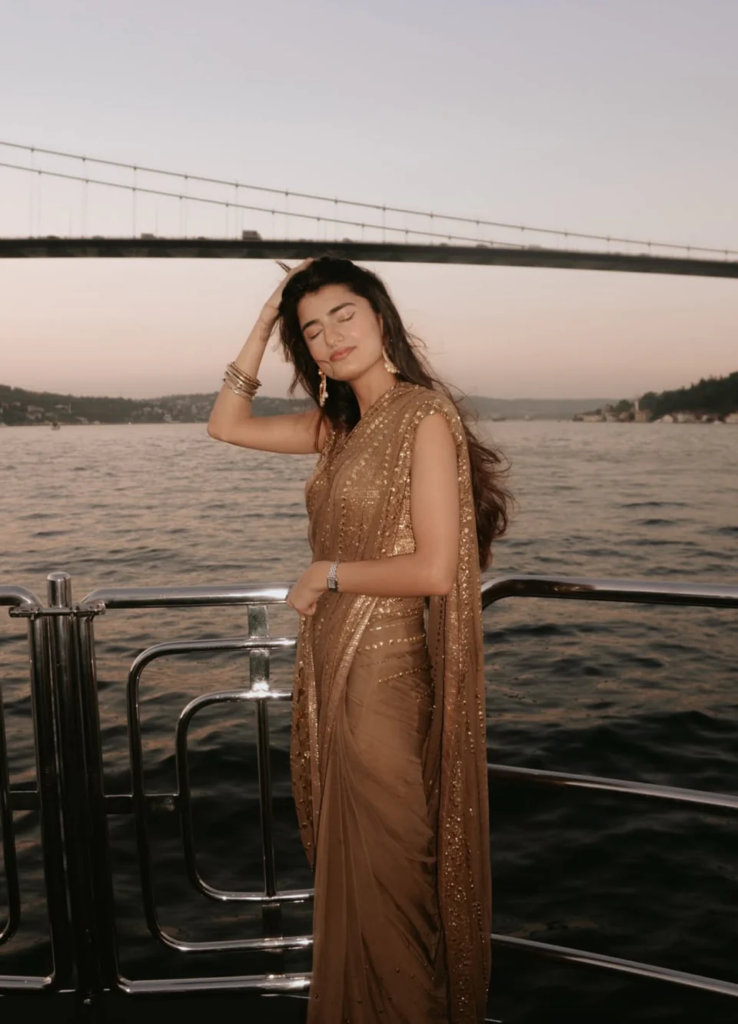
- Description: Lajwanti creates vintage-inspired sarees, especially known for its heavy embroideries, perfect for bridal and festive occasions.
- Website: https://www.lajwanti.com
12. Taneira
- Description: A brand by Titan, Taneira focuses on pure handwoven sarees, especially those made from natural fibers like cotton and silk.
- Website: https://www.taneira.com
13. Vishal Sarees
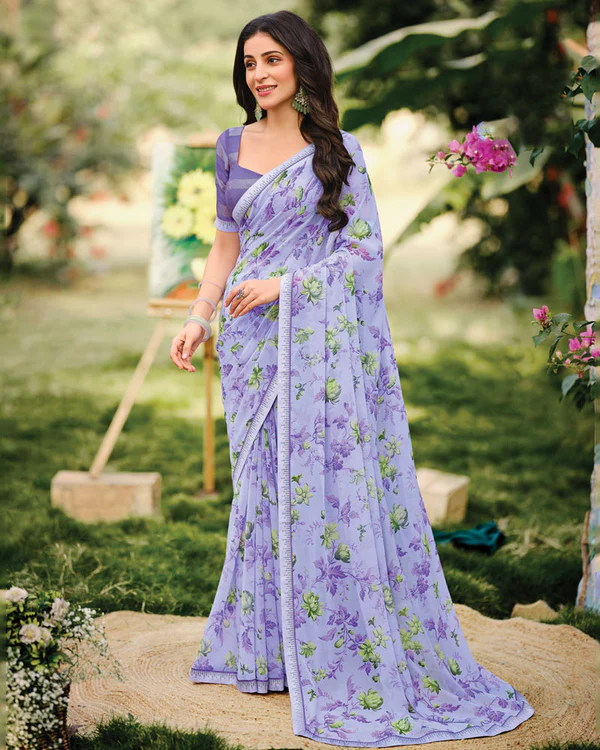
- Description: Offers a wide selection of affordable yet elegant sarees, known for its diverse range of fabrics and modern designs.
- Website: https://www.vishalsarees.com
14. Bunaai
- Description: Specializes in contemporary saree designs with bold prints and fabrics like chiffon and georgette, combining style with comfort.
- Website: https://www.bunaai.com
15. Saree Palace
- Description: Known for its affordable yet stylish sarees, Saree Palace offers a mix of traditional and modern designs for everyday and festive wear.
- Website: https://www.sareepalace.com
6. The Modern Saree for women
While the saree has deep roots in tradition, it has also evolved to adapt to modern fashion trends. The modern saree is available in a wide range of fabrics, such as chiffon, georgette, and crepe, making it more comfortable and lightweight than traditional sarees. Contemporary sarees come in a variety of designs, including ready-made drapes, pre-stitched sarees, and saree gowns. These adaptations make the saree more accessible and easier to wear for younger generations.
7. Saree in Popular Culture
The saree holds a prominent place in Indian popular culture, particularly in Bollywood. Actresses in the film industry are often seen wearing sarees in iconic roles, and the saree has been portrayed as the epitome of grace and beauty. From Rekha’s timeless saree draping in the movie Silsila to Deepika Padukone’s bridal saree in Chennai Express, Bollywood has played a significant role in popularizing saree fashion among younger generations.
8. The Future of the Saree For Women in India
The future of the saree for women in India is evolving, blending tradition with modern influences. While deeply rooted in cultural heritage, the saree continues to adapt to contemporary fashion trends. Designers are reimagining classic styles with innovative fabrics, prints, and draping techniques, making the saree more accessible for everyday wear and diverse occasions. As global influences shape Indian fashion, the saree is becoming more versatile, with younger generations embracing it in new, creative ways. The future promises a fusion of timeless elegance and modern flair, ensuring the saree remains a symbol of grace and identity for generations to come.
9. Conclusion
The saree remains an enduring symbol of India’s cultural richness, tradition, and timeless beauty. It has stood the test of time, evolving in style and fabric but retaining its place as the quintessential attire for Indian women. Whether worn for weddings, festivals, or daily wear, the saree reflects the unique traditions and customs of India’s diverse regions. From the opulent Kanjeevaram sarees to the delicate Chanderi sarees, each type has its own story to tell and continues to be a beloved garment. As modern trends continue to influence fashion, the saree will undoubtedly remain a central part of Indian culture, ensuring its place as one of the most cherished and iconic garments in the world.
