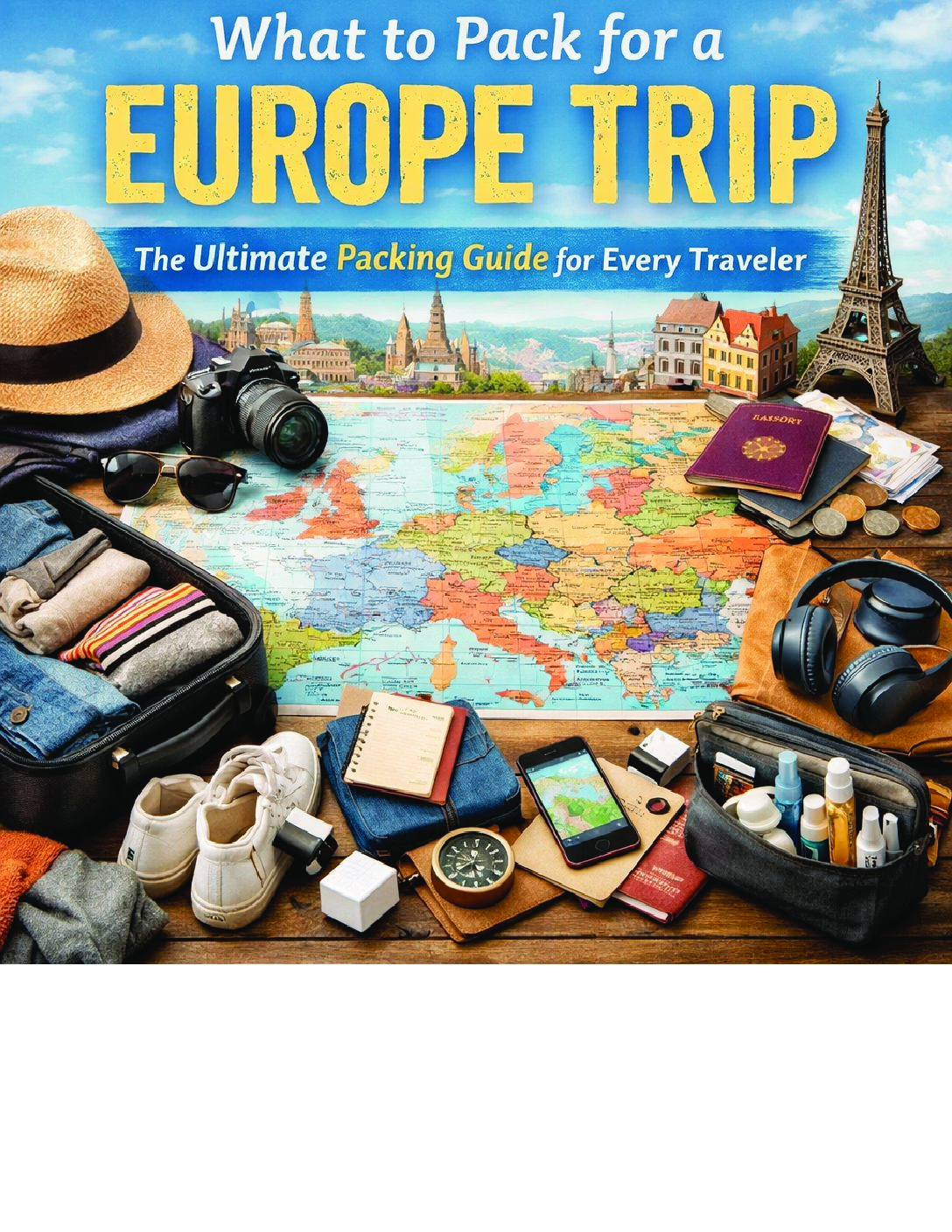
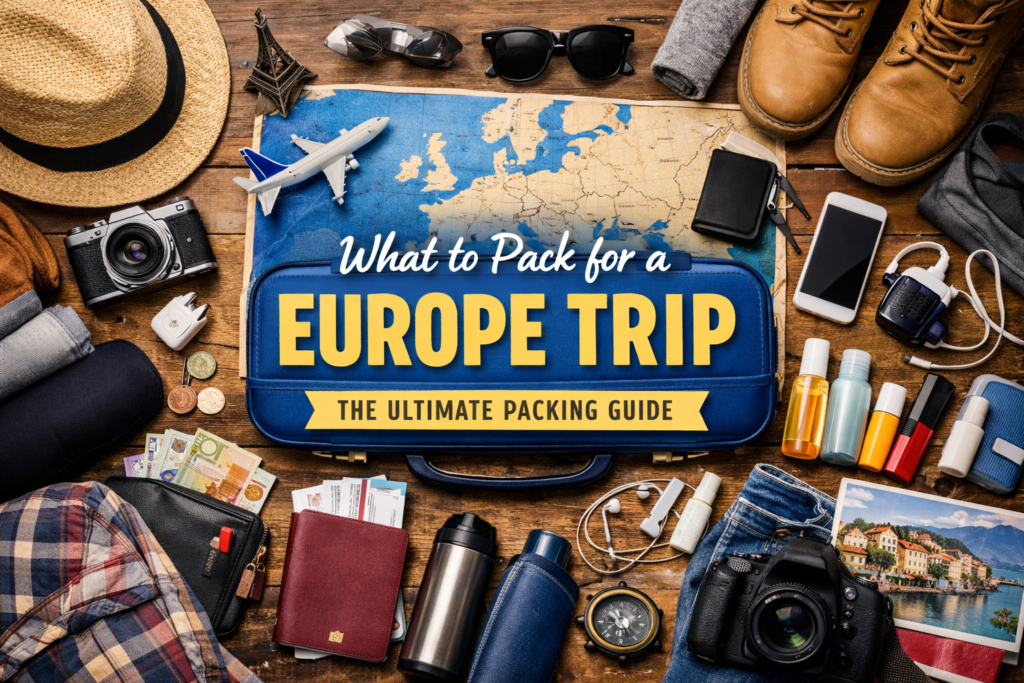
Planning a trip to Europe is exciting, but one of the biggest challenges travelers face is deciding what to pack. Europe is incredibly diverse in culture, climate, landscapes, and activities. From strolling through historic streets in Paris to hiking in the Swiss Alps or relaxing on Mediterranean beaches, your packing list must be versatile and well thought out. Packing smart not only saves space and money but also ensures comfort, convenience, and confidence throughout your journey.
This complete guide will help you understand exactly what to pack for a Europe trip, whether you are traveling for a week, a month, or longer. We’ll cover clothing, footwear, accessories, electronics, documents, toiletries, health items, and destination-specific essentials so you can travel light while being fully prepared.
Understanding Europe’s Climate and Seasons
Before packing, it’s important to research the climate of the countries and cities you plan to visit. Europe experiences four distinct seasons, and weather conditions can vary significantly between northern and southern regions.
- Spring (March–May): Mild temperatures, occasional rain, and blooming landscapes.
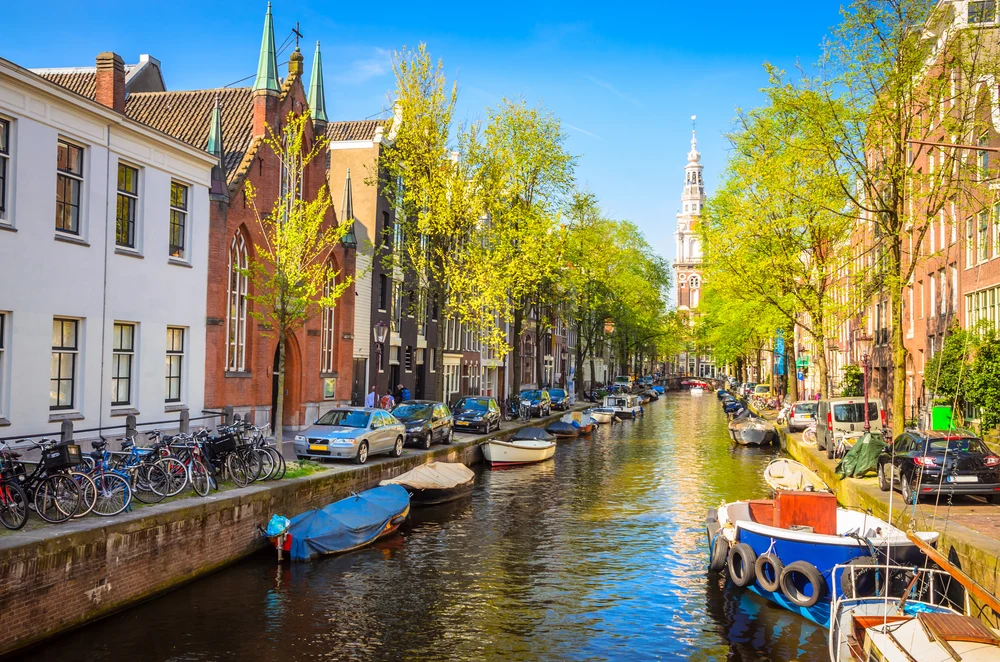

- Summer (June–August): Warm to hot weather, especially in Southern Europe.

- Autumn (September–November): Cool temperatures, fewer crowds, and beautiful fall colors.

- Winter (December–February): Cold weather, snow in many regions, and festive Christmas markets.

Check weather forecasts a week before departure and plan your outfits accordingly. Layering is key in Europe, as temperatures can change throughout the day.
Essential Documents and Travel Papers
These are the most important items you should never forget:
- Passport (valid for at least six months)
- Visa (if required)
- Flight tickets or e-ticket confirmation
- Travel insurance documents
- Hotel reservations
- Transportation tickets and passes
- Copies of important documents (printed and digital)
- Driver’s license or international driving permit (if renting a car)
Store digital copies in cloud storage and email them to yourself for backup.
Clothing: Building a Versatile Travel Wardrobe
When packing clothes for Europe, focus on mix-and-match pieces that can be layered and styled in different ways.
Tops
- T-shirts or casual tops (3–5 pieces)
- Long-sleeve shirts or blouses (2–3 pieces)
- Lightweight sweater or cardigan
- Dressy top for evenings out
Bottoms
- Jeans or trousers (2 pairs)
- Comfortable travel pants or leggings
- Shorts or skirts (for warm destinations)
Dresses and Smart Casual Outfits
- One or two versatile dresses or smart casual outfits suitable for dinners or cultural events.
Outerwear
- Lightweight jacket or denim jacket
- Waterproof rain jacket or poncho
- Warm coat (for winter travel)
Underwear and Sleepwear
- Enough underwear for 7–10 days
- Bras and socks
- Sleepwear or pajamas
Activewear
- Workout clothes or hiking outfits
- Swimsuit (even if you’re not planning to swim, you might find an opportunity)
Footwear: Comfort Comes First
Europe often involves a lot of walking, so comfortable shoes are essential.
- Comfortable walking shoes or sneakers
- Stylish flats or loafers
- Sandals (summer)
- Boots (winter or colder regions)
Choose shoes that are broken in to avoid blisters.
Accessories That Make a Difference
Small accessories can greatly improve your travel experience.
- Scarf or shawl (useful for warmth and visiting religious sites)
- Sunglasses
- Hat or cap
- Belt
- Lightweight gloves and beanie (for cold weather)
- Jewelry (minimal and versatile)
Toiletries and Personal Care Items
Pack travel-sized toiletries to save space and comply with airline regulations.
- Toothbrush and toothpaste
- Shampoo and conditioner
- Body wash or soap
- Deodorant
- Skincare products
- Razor and shaving cream
- Hairbrush or comb
- Makeup essentials
- Feminine hygiene products
Most European cities have pharmacies and supermarkets where you can buy additional items if needed.
Health and First Aid Essentials
Staying healthy while traveling is important.
- Prescription medications (with copies of prescriptions)
- Pain relievers
- Motion sickness tablets
- Band-aids and antiseptic wipes
- Hand sanitizer
- Face masks
- Vitamins or supplements
If you have allergies or specific medical needs, carry extra supplies.
Electronics and Travel Gadgets
Technology helps make travel easier and more enjoyable.
- Smartphone
- Phone charger and cable
- Power bank
- Universal travel adapter
- Headphones or earbuds
- Camera and memory cards
- Laptop or tablet (if needed)
Europe uses different plug types, so a universal adapter is essential.
Travel Comfort Items
These items help during long flights or train journeys.
- Neck pillow
- Eye mask
- Earplugs
- Reusable water bottle
- Snacks
Bags and Luggage
Choose luggage that suits your travel style.
- Carry-on suitcase or backpack
- Daypack or small backpack
- Crossbody bag or anti-theft purse
- Packing cubes for organization
- Laundry bag
Traveling light makes moving between cities much easier.
Money and Financial Essentials
- Credit and debit cards
- Small amount of local currency or euros
- Travel wallet or money belt
Notify your bank before traveling to avoid card issues.
Destination-Specific Packing Tips
City Travel
- Stylish yet comfortable outfits
- Crossbody bag with zipper
- Compact umbrella
Beach Destinations
- Swimsuit and cover-up
- Flip-flops or sandals
- Sunscreen and after-sun lotion
Mountain or Nature Trips
- Hiking boots
- Thermal layers
- Waterproof jacket
Cultural and Practical Considerations
Europeans tend to dress more stylishly, especially in major cities. Neutral colors and simple, well-fitted clothing help you blend in. Avoid overly casual or flashy outfits when visiting churches, cathedrals, and cultural sites. Modest clothing covering shoulders and knees is often required.
Packing Tips for Minimalists
- Choose a color palette so everything matches
- Roll clothes instead of folding
- Wear bulky items on the plane
- Limit shoes to two or three pairs
- Use packing cubes
What Not to Pack
- Too many clothes
- Heavy books (use e-readers)
- Full-size toiletries
- Expensive jewelry
- Items you can easily buy at your destination
Sample Packing Checklist
Documents
Passport, visa, tickets, insurance
Clothing
Tops, bottoms, underwear, jacket
Footwear
Sneakers, flats, sandals/boots
Toiletries
Basic personal care items
Electronics
Phone, charger, adapter
Extras
Scarf, sunglasses, daypack
Final Thoughts
Packing for a Europe trip doesn’t have to be stressful. With proper planning and a thoughtful packing list, you can travel comfortably and confidently. Focus on versatile clothing, comfortable shoes, essential documents, and practical accessories. Remember, you don’t need to pack for every possible scenario—Europe has excellent shopping options, and you can always buy what you need along the way.
A well-packed bag allows you to focus on what truly matters: exploring beautiful cities, experiencing new cultures, tasting delicious food, and creating unforgettable memories.
