
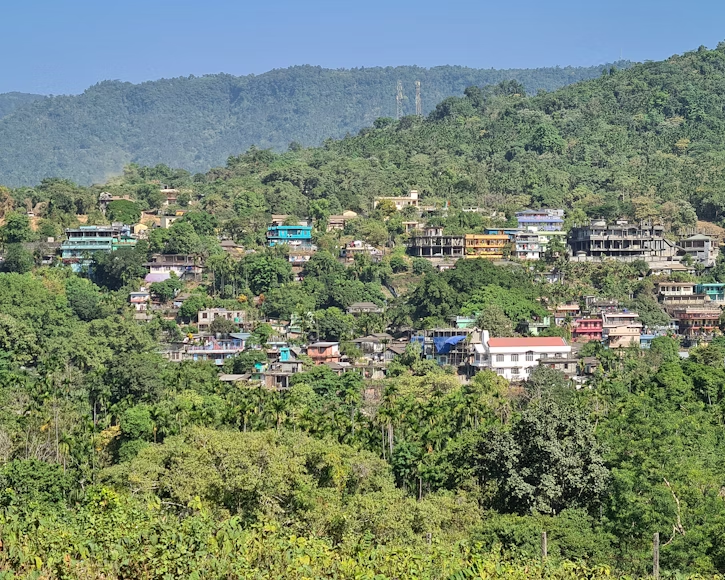
Located in the northeastern region of Bangladesh, Sylhet is one of the most captivating travel destinations in South Asia. Known for its rolling tea gardens, crystal-clear rivers, spiritual landmarks, and vibrant cultural heritage, Sylhet offers a unique blend of natural beauty and traditional charm. As travel trends evolve in 2026, Sylhet continues to gain popularity among both domestic and international tourists for its eco-tourism, peaceful environment, and rich history.
This comprehensive travel guide will explore the best places to visit in Sylhet, its cultural significance, must-see attractions, and practical tips for making your trip unforgettable.
Why Visit Sylhet in 2026?
Sylhet stands out as a destination that offers something for everyone. Whether you are a nature lover, a spiritual seeker, or an adventure traveler, Sylhet provides diverse experiences in a relatively compact region. In 2026, tourism in Sylhet is growing steadily due to improved infrastructure, better transportation, and increased global awareness.
The region’s unique geography, featuring hills, forests, rivers, and wetlands, makes it one of the most scenic areas in Bangladesh. Unlike the bustling capital city of Dhaka, Sylhet offers a slower pace of life, making it ideal for relaxation and exploration.
Sylhet Weather
The weather in Sylhet is characterized by a humid subtropical climate, making it one of the wettest and greenest regions in Bangladesh. The region experiences high rainfall, warm temperatures, and noticeable seasonal variations throughout the year.
Sylhet has three main seasons: summer, monsoon, and winter. The summer season (March to May) is typically hot and humid, with temperatures often ranging between 28°C and 35°C. During this time, occasional thunderstorms provide temporary relief from the heat.
The monsoon season (June to September) is the most defining feature of Sylhet’s climate. Heavy rainfall transforms the region into a lush green paradise. Rivers overflow, wetlands (haors) fill up, and places like Ratargul Swamp Forest become partially submerged. While this season enhances natural beauty, it can sometimes cause travel disruptions due to flooding.
The winter season (November to February) is the most pleasant time in Sylhet. Temperatures drop to a comfortable range of 10°C to 22°C, making it ideal for tourism and outdoor activities. The skies are generally clear, and humidity levels are lower, allowing visitors to explore tea gardens and scenic landscapes comfortably.
Humidity remains relatively high throughout the year, contributing to the region’s rich vegetation and tea production. Sylhet is especially famous for its tea gardens, which thrive due to consistent rainfall and favorable climate conditions.
Overall, Sylhet’s weather plays a crucial role in shaping its identity as a natural paradise. Whether you enjoy the refreshing rains of monsoon or the cool breezes of winter, the region offers a unique climate experience that enhances its charm and beauty.
Best Places to Visit in Sylhet
1. Ratargul Swamp Forest
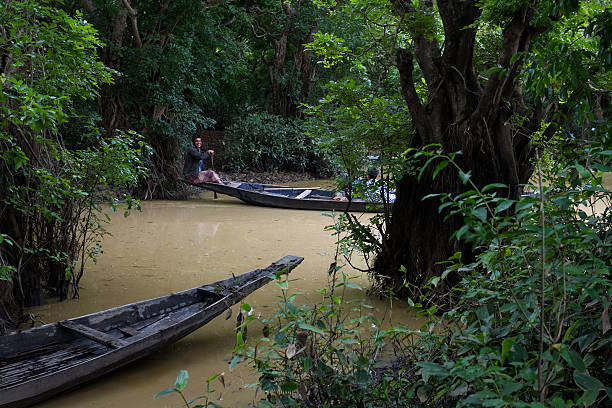
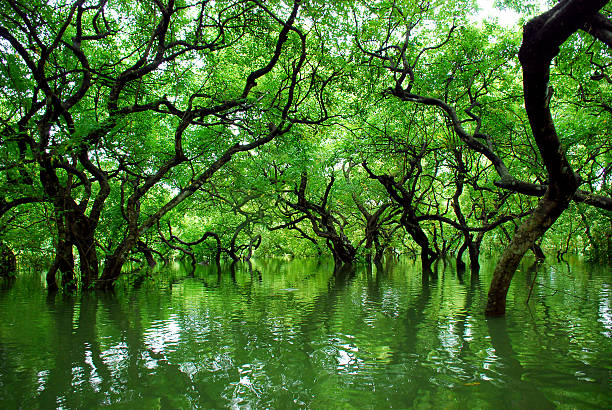
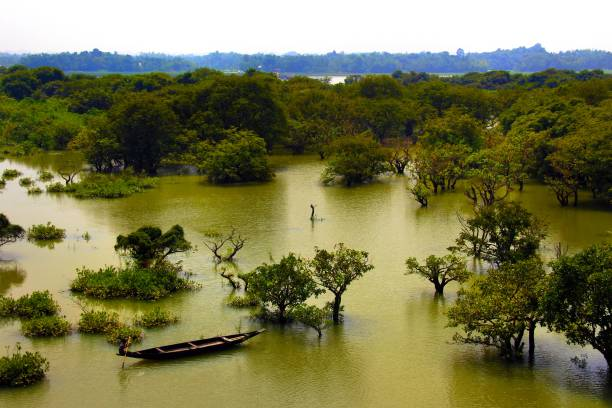
One of the most iconic natural attractions in Sylhet is Ratargul Swamp Forest. This freshwater swamp forest is often compared to the Amazon due to its unique ecosystem. During the monsoon season, the forest becomes submerged, allowing visitors to explore it by boat.
Tall trees rise from the water, creating a magical atmosphere. It is also home to various species of birds, reptiles, and aquatic life. Visiting Ratargul is a must for anyone interested in eco-tourism and photography.
2. Jaflong
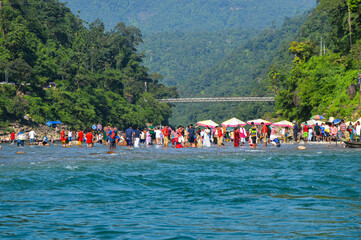
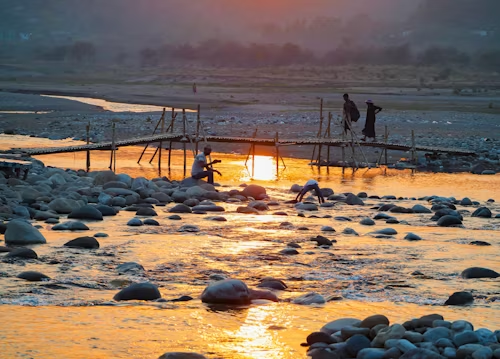
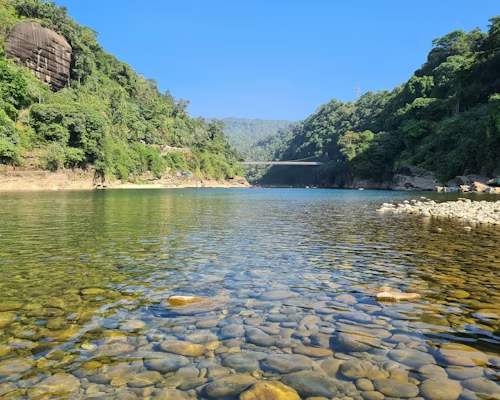
Jaflong is another top destination in Sylhet. Located near the border with India, Jaflong is famous for its clear river, stone collection activities, and stunning views of the Khasi hills.
The Dawki River, flowing from India, is known for its transparent water, making it one of the most picturesque spots in the region. Visitors can enjoy boat rides, explore the surrounding hills, and experience local culture.
3. Bisnakandi
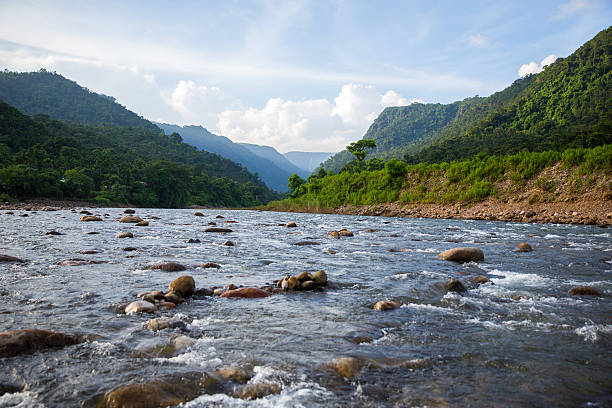
Beautiful landscape of Bichanakandi. Goainghat, Sylhet
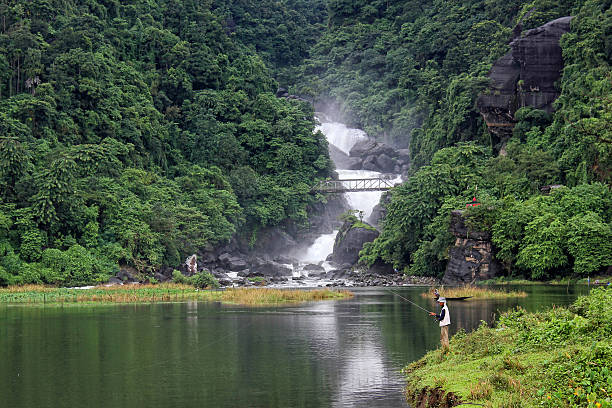
Panthumai – a village from West Jaflong Union under Guainghat
Often referred to as a paradise for nature lovers, Bisnakandi offers a breathtaking combination of stones, flowing water, and green hills. During the rainy season, water cascades down from the mountains, creating a dramatic landscape.
It is an ideal destination for those who enjoy peaceful surroundings and scenic beauty.
4. Lalakhal

Lalakhal Stock Photos and Images
(224)See lalakhal stock video clipsbackground_grid_smallgrid_view
Lalakhal is famous for its blue-green water, which changes color depending on the light and weather. Surrounded by hills and tea gardens, Lalakhal offers a serene escape from city life.
Boat rides along the river are a popular activity, providing stunning views of the landscape.
5. Sreemangal – The Tea Capital
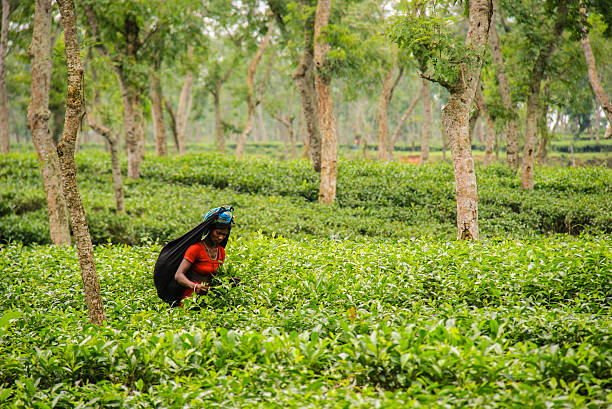
Tea picker harvesting tea in Srimangal, Bangladesh
Located within the Sylhet division, Sreemangal is renowned for its vast tea gardens and tranquil environment. Visitors can explore endless rows of tea plants, visit tea factories, and enjoy fresh tea directly from the source.
Sreemangal is also home to Lawachara National Park, a protected forest area rich in biodiversity, including rare species like the hoolock gibbon.
6 .Sada Pathor
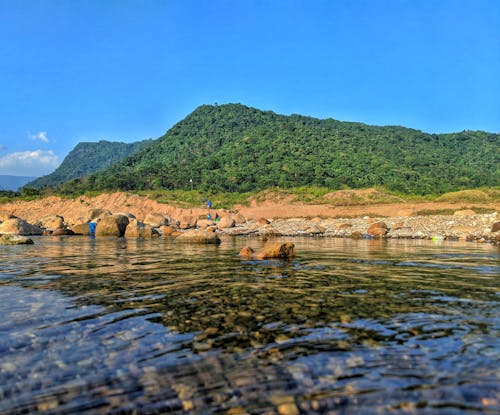
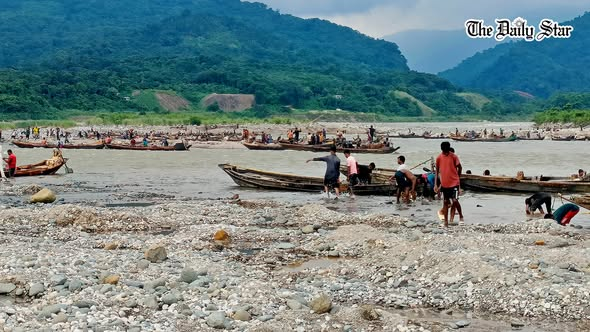
Sada Pathor, located about 35–40 km from Sylhet city in Bholaganj, is a beautiful riverside destination known for its crystal-clear water and smooth white stones. Surrounded by green hills near the Bangladesh–India border, it offers a शांत and scenic escape, perfect for day trips, nature views, and relaxing by the river.
7, Madhabkunda Waterfall
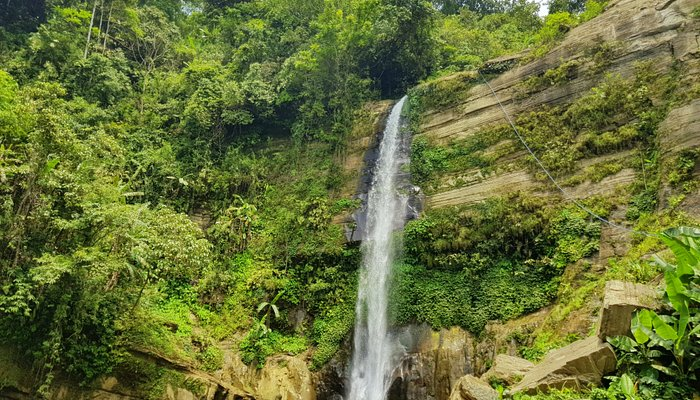
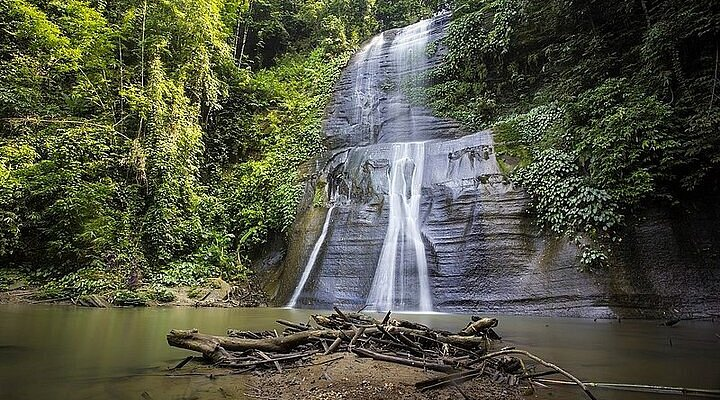
Madhabkunda Waterfall, located about 70 km from Sylhet city in Barlekha, Moulvibazar, is one of the largest waterfalls in Bangladesh. Surrounded by lush green hills and rocky landscapes, it offers a refreshing natural escape and is a popular spot for day trips and nature lovers
8. Shah Jalal Shrine
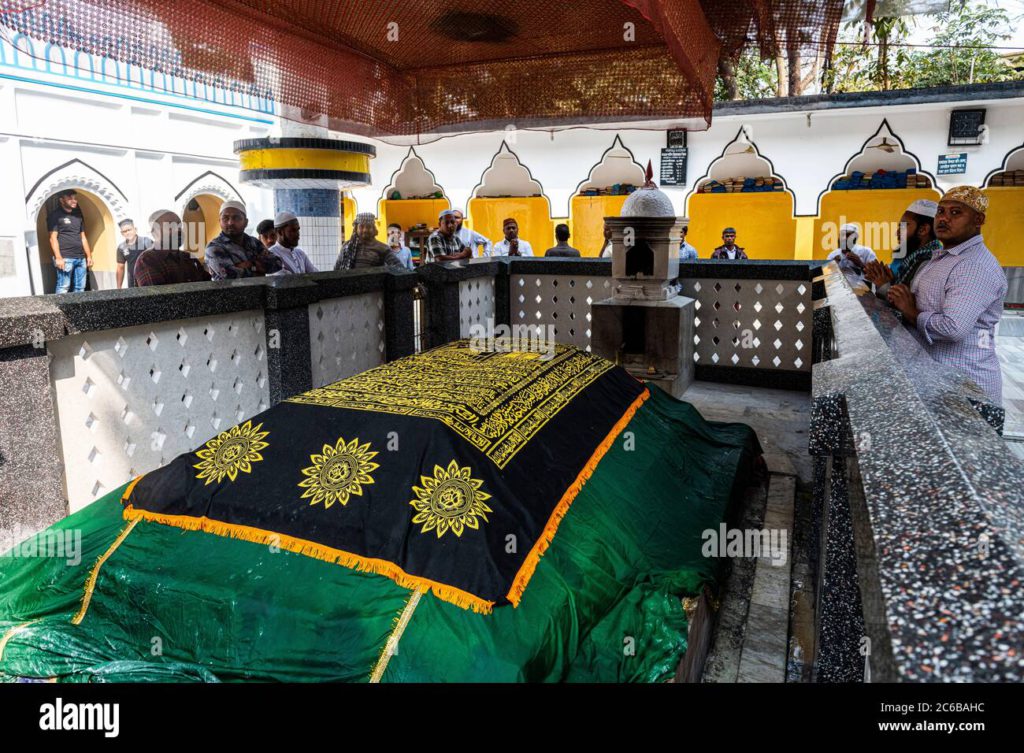
The shrine of Shah Jalal is one of the most important spiritual sites in Bangladesh. Thousands of devotees visit every year to pay their respects and seek blessings.
The peaceful environment and historical significance make it a must-visit destination for those interested in spirituality and history.
Culture and Traditions of Sylhet
Sylhet’s culture is deeply rooted in its history and traditions. The region has a distinct identity that sets it apart from other parts of Bangladesh.
Language and Identity
The Sylheti dialect is unique and widely spoken in the region. It has its own linguistic features and even a historical script known as Sylheti Nagri.
Festivals and Celebrations
Major festivals such as Eid, Pohela Boishakh, and local fairs are celebrated with enthusiasm. Traditional music, including Baul songs and folk performances, plays a significant role in cultural life.
Cuisine
Sylheti cuisine is rich and flavorful. Dishes often include fish, rice, and local spices. One of the most famous dishes is “Shatkora beef,” made with a special citrus fruit unique to the region.
Top Attractions and Experiences
Tea Garden Tours
Exploring tea gardens is one of the most relaxing activities in Sylhet. Visitors can walk through the plantations, interact with workers, and learn about tea production.
River Cruises and Boat Rides
Sylhet’s rivers offer opportunities for boat rides, especially in places like Lalakhal and Ratargul. These experiences provide a unique perspective of the region’s natural beauty.
Wildlife and Nature Exploration
National parks and forests in Sylhet are ideal for wildlife enthusiasts. Birdwatching, trekking, and photography are popular activities.
Shopping and Local Markets
Local markets in Sylhet offer traditional handicrafts, clothing, and food items. These markets provide insight into the daily lives of the people.
Best Time to Visit Sylhet
Sylhet has a subtropical climate with heavy rainfall. The best time to visit depends on your preferences:
Winter (November–February): Pleasant weather, ideal for sightseeing
Monsoon (June–September): Lush greenery and full rivers, perfect for nature lovers
Summer (March–May): Warm but suitable for exploring tea gardens
How to Reach Sylhet
Sylhet is well-connected to major cities in Bangladesh.
By Air: Osmani International Airport connects Sylhet to domestic and international destinations
By Train: Regular train services operate from Dhaka
By Road: Bus services provide affordable travel options
Accommodation Options
Sylhet offers a wide range of accommodation, from budget hotels to luxury resorts. Many hotels are located near major attractions, providing easy access for tourists.
Eco-resorts and tea garden stays are becoming increasingly popular in 2026, offering a more immersive experience.
Sustainable Tourism in Sylhet
As tourism grows, there is increasing focus on sustainability. Visitors are encouraged to respect nature, avoid littering, and support local businesses.
Eco-tourism initiatives aim to preserve Sylhet’s natural beauty while promoting responsible travel.
Travel Tips for 2026
Carry cash, as some remote areas may not accept digital payments
Wear comfortable clothing and footwear for exploring الطبيعة
Respect local customs and traditions
Stay updated on weather conditions, especially during monsoon
Hire local guides for a more informative experience
Conclusion
Sylhet in 2026 stands as a perfect destination for travelers seeking a blend of nature, culture, and spirituality. From the enchanting waters of Ratargul Swamp Forest to the peaceful shrine of Shah Jalal, every corner of Sylhet tells a story.
The region’s tea gardens, rivers, hills, and cultural richness create an unforgettable travel experience. Whether you are exploring the scenic beauty of Jaflong or enjoying the tranquility of Lalakhal, Sylhet promises memories that will last a lifetime.
As tourism continues to grow, Sylhet remains a symbol of natural beauty and cultural harmony in Bangladesh. Visiting Sylhet is not just a trip—it is a journey into the heart of nature and tradition.